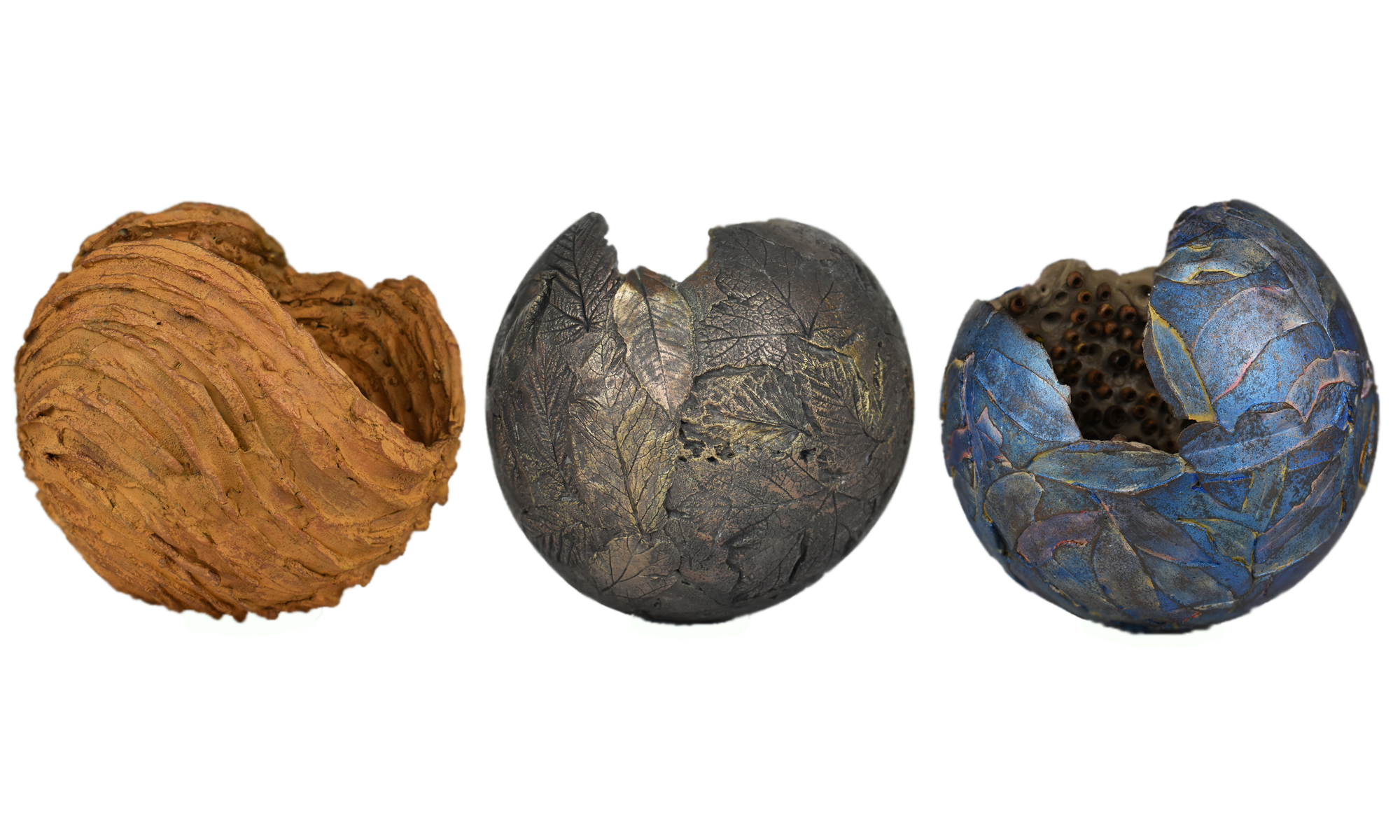
- Detailed craftsmanship featuring spinkings unlocks timeless textile stories
- The Historical Roots of Elaborate Fiber Manipulation
- The Role of Guilds and Craft Traditions
- Understanding the Nuances of Fiber Alignment
- The Impact of Tension and Twist
- Advanced Techniques in Texture Creation
- Exploring the Art of Pile Weaving
- The Sustainability in Traditional Textile Practices
- The Future of Textile Art and Innovation
Detailed craftsmanship featuring spinkings unlocks timeless textile stories
The textile world is filled with techniques that have been passed down through generations, each contributing to the rich tapestry of fabric creation. Among these techniques, certain intricacies stand out for their complexity and the unique aesthetic they bring to the finished product. One such technique, often a closely guarded secret amongst artisan communities, involves the skilled manipulation of fibers known as spinkings. This practice isn't merely about weaving or knitting; it's about coaxing a particular texture and resilience from the raw materials, resulting in textiles that possess a distinct character and longevity.
Historically, the art of creating textiles with such careful attention to detail was reserved for royalty and the elite, as the process was incredibly time-consuming and required a high level of expertise. Today, while the accessibility of these methods has increased, the dedication to quality and the preservation of traditional techniques remain paramount. The subtle differences in texture and drape created through skilled fiber manipulation can transform a simple cloth into a luxurious and enduring piece, valued for its artistry and its connection to a vibrant heritage. The demand for authentically crafted textiles is growing as consumers seek alternatives to mass-produced goods.
The Historical Roots of Elaborate Fiber Manipulation
The origins of refined textile techniques, including those closely related to spinkings, can be traced back to ancient civilizations. Archaeological evidence suggests that intricate weaving and embellishment practices were present in cultures across the globe, from the elaborate silk production in ancient China to the vibrant tapestry traditions of the Inca empire. These early artisans didn’t simply seek to create functional clothing; they aimed to imbue their work with symbolism, social status, and religious meaning. The techniques they developed were often shrouded in secrecy, passed down through families and guilds to maintain their exclusivity and value. The skills required were substantial, demanding years of apprenticeship and a deep understanding of the materials involved – from the cultivation of fibers like flax and cotton to the natural dyeing processes used to achieve rich and lasting colors.
The influence of trade routes played a significant role in the dissemination of these techniques. The Silk Road, for example, facilitated the exchange of not only silk itself but also the knowledge and skills necessary to produce it. As different cultures encountered each other, they adapted and blended existing practices, resulting in new and innovative approaches to textile creation. This cross-cultural pollination fostered a period of remarkable creativity and innovation, leading to the development of even more sophisticated fiber manipulation methods. The legacy of these historical exchanges is still visible in the diverse textile traditions found around the world today.
The Role of Guilds and Craft Traditions
Throughout the medieval and early modern periods, guilds played a crucial role in preserving and promoting these specialized skills. Guilds were associations of artisans who shared a common trade, and they established strict standards for quality, training, and membership. Aspiring craftspeople would typically undergo a lengthy apprenticeship under a master artisan, learning the intricacies of the trade through hands-on experience. Guilds also served as centers of innovation, fostering experimentation and the development of new techniques. They protected the interests of their members, ensuring fair prices and promoting their work to a wider audience. The emphasis on quality and craftsmanship within the guild system contributed significantly to the enduring reputation of certain textile-producing regions.
| Fiber Type | Typical Application | Historical Significance | Common Characteristics |
|---|---|---|---|
| Silk | Royal garments, luxury textiles | Ancient China, Silk Road | Strong, lustrous, delicate |
| Linen | Household textiles, clothing | Ancient Egypt, Mediterranean | Durable, breathable, cool |
| Wool | Warm clothing, blankets | Throughout Europe and Asia | Warm, resilient, absorbent |
| Cotton | Everyday clothing, bedding | India, the Americas | Soft, comfortable, versatile |
The table illustrates the diverse range of materials and applications that have historically driven the development of these techniques. Each fiber possesses unique properties that lend themselves to different types of textiles, and the selection of materials often depended on the intended use and the cultural context.
Understanding the Nuances of Fiber Alignment
A core element of achieving high-quality textiles, especially those involving complex techniques like detailed spinkings, lies in the precise alignment of fibers. This isn’t simply about arranging them in a parallel fashion but about understanding their natural behavior and manipulating them to create specific textures and strengths. Factors like fiber length, diameter, and crimp all play a role in determining the final characteristics of the fabric. Skilled artisans develop an intuitive understanding of these properties and use them to their advantage, controlling the tension, direction, and density of the fibers throughout the weaving or knitting process. The goal is to create a fabric that is not only visually appealing but also durable, comfortable, and capable of withstanding repeated use.
The alignment of fibers also has a significant impact on the drape and feel of the fabric. A well-aligned fabric will generally have a smoother, more fluid drape, while a less uniform alignment may result in a stiffer or more textured surface. This is why the skillful manipulation of fibers is so crucial in creating textiles that are tailored to specific applications – from the flowing elegance of a silk gown to the sturdy resilience of a canvas sail. Furthermore, the way fibers are aligned can affect the fabric’s resistance to wear and tear, as well as its ability to maintain its shape over time.
The Impact of Tension and Twist
The amount of tension and twist applied to the fibers during the spinning and weaving process is another critical factor influencing the final properties of the fabric. Higher tension generally results in a stronger, more durable fabric, while lower tension can create a softer, more pliable material. The degree of twist also affects the fabric's characteristics; a tighter twist creates a stronger, more resilient yarn, while a looser twist produces a softer, more flexible yarn. Artisans carefully control these variables to achieve the desired balance of strength, drape, and texture in their textiles. Different techniques, such as variations in ply direction and the use of different types of twist, can be employed to create unique visual effects and enhance the fabric’s performance. Skillful control of tension and twist is often the defining characteristic of expertly crafted fabrics.
- Fiber selection significantly impacts the final textile.
- Precise alignment enhances durability and drape.
- Tension control dictates strength and pliability.
- Twist variation influences yarn character and aesthetics.
These elements work in combination to shape the ultimate quality and feel of the finished product, showcasing the profound skill and knowledge embedded within the process.
Advanced Techniques in Texture Creation
Beyond the fundamental principles of fiber alignment and tension control, a wide range of advanced techniques can be employed to create complex textures and patterns in textiles. These techniques often involve the use of specialized tools and equipment, as well as a deep understanding of the materials being used. Techniques like embossing, jacquard weaving, and pile weaving allow artisans to create raised designs, intricate patterns, and luxurious textures that add dimension and visual interest to the fabric. The subtle variations created through these processes distinguish exceptionally crafted pieces from mass-produced alternatives. Considering these advanced techniques, and the details within skilled spinkings, showcases appreciation for the art form.
The implementation of these techniques requires a significant degree of skill and experience. Artisans must be able to carefully control the parameters of the process – such as the speed of the loom, the tension of the yarns, and the pressure applied by the embossing tools – to achieve the desired results. Mistakes can be costly, requiring extensive rework or even the complete rejection of the fabric. Therefore, a dedication to precision and attention to detail is essential. Furthermore, a willingness to experiment and push the boundaries of traditional techniques is crucial for innovation and the development of new and exciting textile designs.
Exploring the Art of Pile Weaving
Pile weaving is a technique that creates a surface texture by introducing extra yarns that stand up from the base fabric. These extra yarns can be looped or cut, resulting in different types of pile – such as loop pile, cut pile, and velvet. The height, density, and texture of the pile can be varied to create a wide range of aesthetic effects, from the soft, luxurious feel of velvet to the plush comfort of a shag rug. Pile weaving is a versatile technique that can be used to create both decorative and functional textiles, and it is often employed in the production of carpets, upholstery fabrics, and clothing. The process requires careful coordination and precision, as the extra yarns must be securely anchored to the base fabric and evenly distributed to create a uniform pile.
- Select the appropriate base fabric for the desired effect.
- Choose yarns suitable for creating the pile.
- Establish the desired pile height and density.
- Weave in the pile yarns, securing them to the base fabric.
- Cut or loop the pile yarns to create the final texture.
By following these steps carefully, artisans can create stunning pile fabrics with a variety of textures and patterns.
The Sustainability in Traditional Textile Practices
In an era increasingly focused on environmental responsibility, the traditional textile practices associated with techniques like spinkings offer a compelling model for sustainable production. Historically, these methods relied on locally sourced, natural fibers, minimizing the environmental impact of transportation and promoting biodiversity. Natural dyes, derived from plants, insects, and minerals, were used to color the fabrics, eliminating the need for harsh chemical dyes that can pollute waterways. Furthermore, the emphasis on durability and longevity meant that textiles were designed to last, reducing the demand for frequent replacements and minimizing waste.
The slow, deliberate pace of traditional production also contributed to its sustainability. Artisans took the time to carefully select their materials, meticulously craft their textiles, and repair them when necessary, fostering a culture of appreciation for quality and longevity. This contrasts sharply with the fast-fashion industry, which relies on mass production, cheap labor, and disposable goods. By embracing the principles of traditional textile practices, we can move towards a more sustainable and ethical fashion system that values craftsmanship, environmental responsibility, and the well-being of the people involved in the production process.
The Future of Textile Art and Innovation
The fusion of time-honored techniques like intricate fiber manipulation with modern technologies presents a compelling future for textile art and innovation. While retaining the core values of craftsmanship and sustainability, integrating digital design tools, automated looms, and innovative materials can open up new avenues for creative expression. Imagine bespoke textiles designed with algorithmic precision, eco-friendly fibers cultivated through bioengineering, or interactive fabrics responding to environmental stimuli. The challenge lies in striking a balance between preserving the rich heritage of traditional techniques and embracing the potential of emerging technologies.
This convergence requires a new generation of artisans who are not only skilled in traditional methods but also proficient in digital design and sustainable practices. Education and training programs that bridge the gap between tradition and innovation are essential for fostering this new breed of textile artists. Such initiatives, combined with a growing consumer demand for ethically and sustainably produced goods, can pave the way for a vibrant and responsible future for the textile industry. The possibilities are vast, and the potential for creating beautiful, functional, and environmentally conscious textiles is immense.