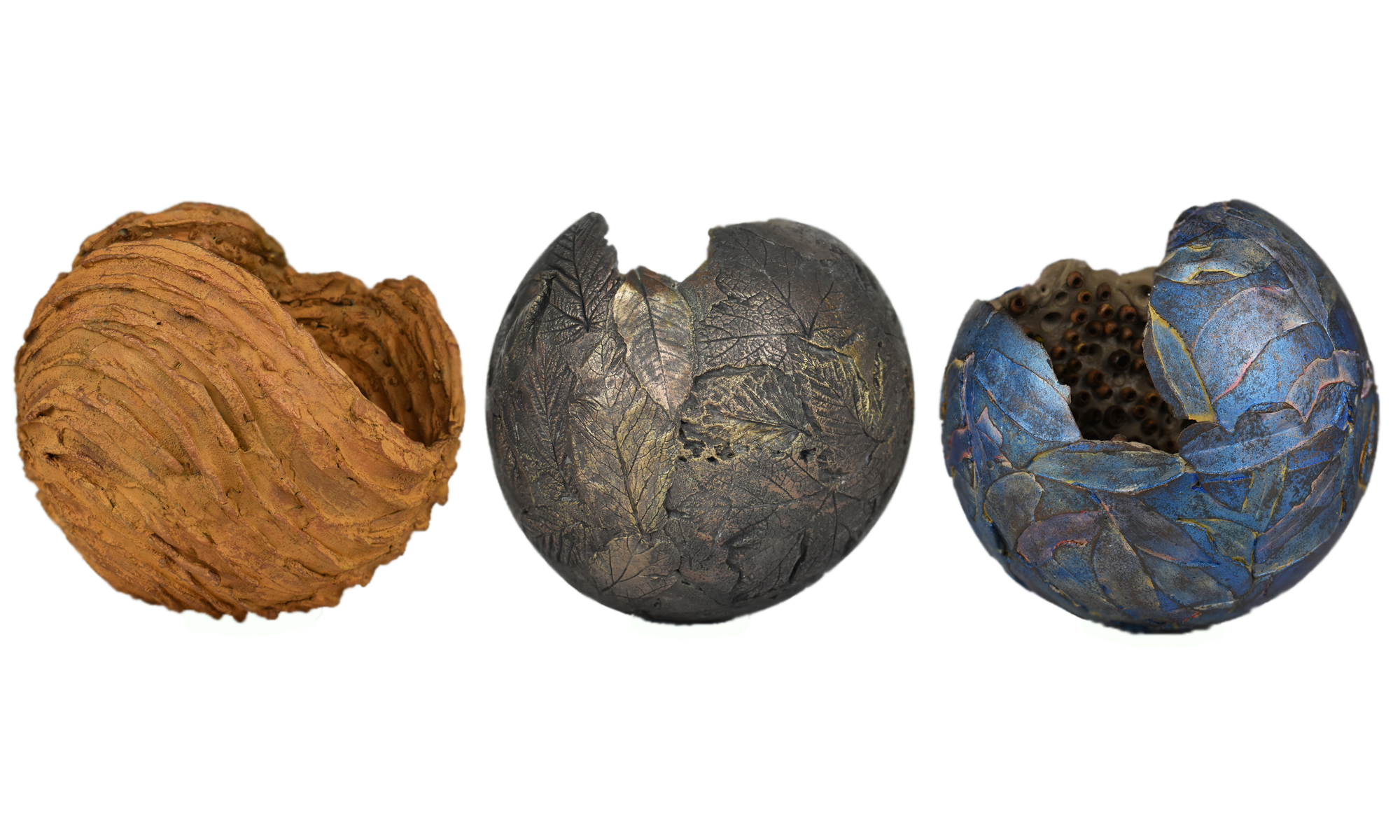
- Detailed crafting involving the spin pin delivers impressive artistic results
- Unlocking Precision: The Core Functionality of the Spin Pin
- Applications in Textile Arts
- Expanding Creative Horizons: Versatile Uses Beyond the Basics
- Innovative Techniques with Spin Pins
- Maintaining and Caring for Your Spin Pin
- Storage and Protection
- The Economic Impact and Accessibility of Spin Pins
- Evolving Applications: Spin Pins in Contemporary Crafting Practices
Detailed crafting involving the spin pin delivers impressive artistic results
The world of crafting is rich with tools designed to assist in the creation of beautiful and intricate pieces, and among these, the spin pin holds a unique and surprisingly versatile position. Often overlooked, this simple yet effective tool unlocks a range of possibilities for textile artists, jewelry makers, and anyone engaged in detailed handwork. It’s a small component, often made of metal or plastic, that facilitates smooth rotational movement, offering precision and control in a way that traditional methods simply cannot match. The applications are diverse, spanning from quilt making and paper crafting to specialized areas like beading and miniature modeling.
Historically, crafters relied on manual dexterity and sometimes improvised solutions to achieve similar effects. However, the introduction of the spin pin has streamlined these processes, making them more accessible and less physically demanding. It’s a testament to how thoughtful design can profoundly impact creative expression. Its ability to maintain a central point of rotation while the material moves around it is fundamental to its utility, allowing for even tension, consistent shapes, and the creation of complex patterns with relative ease. Understanding the spin pin's potential is the first step towards expanding your crafting horizons and adding a new level of finesse to your projects.
Unlocking Precision: The Core Functionality of the Spin Pin
At its heart, the spin pin functions as a rotational aid, reducing friction and enhancing control during crafting processes. This is particularly valuable when dealing with delicate materials or intricate designs where even the slightest tremor can disrupt the outcome. The core concept revolves around providing a stable pivot point, allowing the crafter to work with greater accuracy and speed. Consider the process of bead weaving, for example. Without a secure anchoring point, attempting to thread numerous beads onto a foundation cord can be a frustrating exercise in dexterity. A spin pin, securely fastened to the work surface, effectively becomes an extension of the crafter’s hand, providing a consistent rotational axis. This, in turn, minimizes tangling, improves bead alignment, and ultimately leads to a more professional-looking result.
Applications in Textile Arts
The spin pin’s benefits extend beyond beadwork and into a broad spectrum of textile arts. Quilters frequently employ spin pins to manage fabric layers during intricate piecing, ensuring even distribution and preventing puckering. Similarly, embroidery artists can utilize spin pins to hold hoops steady, freeing up both hands for more precise stitching. The ability to maintain consistent tension is especially crucial when working with delicate fabrics or elaborate embroidery designs. Moreover, the spin pin can be a valuable asset in the creation of fabric flowers, allowing for the even shaping of petals and the secure attachment of embellishments. The versatility of this tool makes it a welcome addition to any textile artist’s toolkit, enhancing both efficiency and the quality of the final product.
| Crafting Application | Spin Pin Benefit |
|---|---|
| Bead Weaving | Improved bead alignment, reduced tangling. |
| Quilting | Even fabric distribution, prevention of puckering. |
| Embroidery | Stable hoop positioning, precise stitching. |
| Fabric Flower Making | Consistent petal shaping, secure embellishment attachment. |
The selection of the right spin pin for a given project also plays a crucial role. Different materials, sizes, and fastening mechanisms cater to varying needs. For instance, a larger, heavier spin pin might be preferable for substantial fabric projects, while a smaller, more delicate pin would be ideal for intricate beadwork.
Expanding Creative Horizons: Versatile Uses Beyond the Basics
While often associated with specific crafts like beading and quilting, the utility of the spin pin extends far beyond these traditional applications. Consider its potential in paper crafting—a spin pin can be used to create perfectly centered embellishments, ensuring symmetrical designs on cards, scrapbook pages, and other paper-based projects. Moreover, its ability to facilitate smooth rotational movement makes it an invaluable tool for miniature model making, allowing for precise painting and detailing. The spin pin’s adaptability truly shines when crafters begin to explore unconventional uses. It's not merely about replicating existing techniques; it’s about leveraging its core functionality to unlock new creative possibilities.
Innovative Techniques with Spin Pins
One intriguing application involves the creation of mandalas and other symmetrical designs. By securing a sheet of paper to a spin pin and using a compass or stencil, artists can effortlessly create intricate repeating patterns. This technique is particularly useful for those who struggle with freehand drawing or who desire a higher level of precision. Another innovative use lies in the realm of altered art, where the spin pin can be employed to attach small embellishments to unconventional surfaces, such as old books or vintage tins. The key is to think outside the box and experiment with different materials and techniques. Don't limit yourself to the ways you've seen the tool used – consider the underlying principle of smooth rotation and explore how that can be applied to your unique artistic vision.
- Creating symmetrical designs with ease.
- Attaching embellishments to unconventional materials.
- Providing a stable base for painting miniatures.
- Facilitating the even application of glue or adhesive.
The possibilities are truly limited only by the imagination, and with a little experimentation, crafters can discover a wealth of new and exciting ways to utilize this unassuming yet powerful tool.
Maintaining and Caring for Your Spin Pin
Like any crafting tool, a spin pin requires proper care and maintenance to ensure its longevity and optimal performance. Regular cleaning is essential, particularly if the pin is used with materials that can leave residue or buildup. A simple wipe-down with a soft cloth and a mild cleaning solution is usually sufficient. For pins with intricate designs or hard-to-reach areas, a small brush can be used to dislodge any accumulated debris. It’s also important to inspect the pin periodically for any signs of wear and tear. Cracks, bends, or loose components can compromise its stability and affect its functionality. Addressing these issues promptly can prevent further damage and ensure the pin remains a reliable asset in your crafting endeavors.
Storage and Protection
Proper storage is crucial for protecting your spin pin from damage. When not in use, store the pin in a protective case or pouch to prevent it from being scratched, dented, or exposed to dust and moisture. Avoid storing the pin in a location where it could be accidentally knocked over or stepped on. Consider using a dedicated crafting organizer or toolbox to keep your spin pin and other tools neatly arranged and readily accessible. Furthermore, if you have multiple spin pins, it’s a good idea to label them or store them in separate compartments to avoid confusion. A little forethought and preventative care can go a long way in preserving the quality and usability of your crafting tools, ensuring they remain a valuable part of your creative process for years to come.
- Clean the spin pin regularly with a soft cloth.
- Inspect for signs of wear and tear.
- Store in a protective case or pouch.
- Keep away from potential damage.
Choosing a spin pin constructed from durable materials, such as stainless steel or high-quality plastic, is also a worthwhile investment, as these materials are less prone to damage and will withstand repeated use.
The Economic Impact and Accessibility of Spin Pins
The growing popularity of DIY crafts and handmade goods has fueled an increasing demand for crafting tools like the spin pin. This demand has, in turn, led to wider availability and more competitive pricing, making these tools accessible to a broader range of artists and hobbyists. Previously considered a niche item, the spin pin can now be found in most crafting supply stores, both brick-and-mortar and online. The economic impact extends beyond the manufacturers and retailers of spin pins themselves, influencing the sales of related materials such as beads, fabrics, and embellishments. Supporting local craft businesses and purchasing high-quality tools contributes to a vibrant and sustainable creative ecosystem.
Evolving Applications: Spin Pins in Contemporary Crafting Practices
The evolution of crafting techniques continually introduces new and innovative uses for established tools. Current trends see spin pins being integrated into mixed media art, specifically in the creation of multi-layered textures and detailed focal points. Artists are experimenting with attaching lightweight materials like vellum or translucent polymer clay to rotating surfaces powered by spin pins, allowing for seamless blending and unique visual effects. Furthermore, the intersection of traditional crafts and digital design platforms is creating exciting possibilities. Patterns created digitally, then transferred to a spinning surface, ensure accuracy and repeatability in intricate designs. The beauty of the spin pin lies in its adaptability, ensuring its continued relevance in a dynamic crafting landscape.
Looking ahead, we can anticipate seeing even more creative applications emerge as crafters continue to push the boundaries of artistic expression. The integration of spin pins with emerging technologies, such as 3D printing and laser cutting, could unlock entirely new dimensions of design and fabrication. The future of crafting is bright, and the humble spin pin is poised to play a significant role in shaping that future.