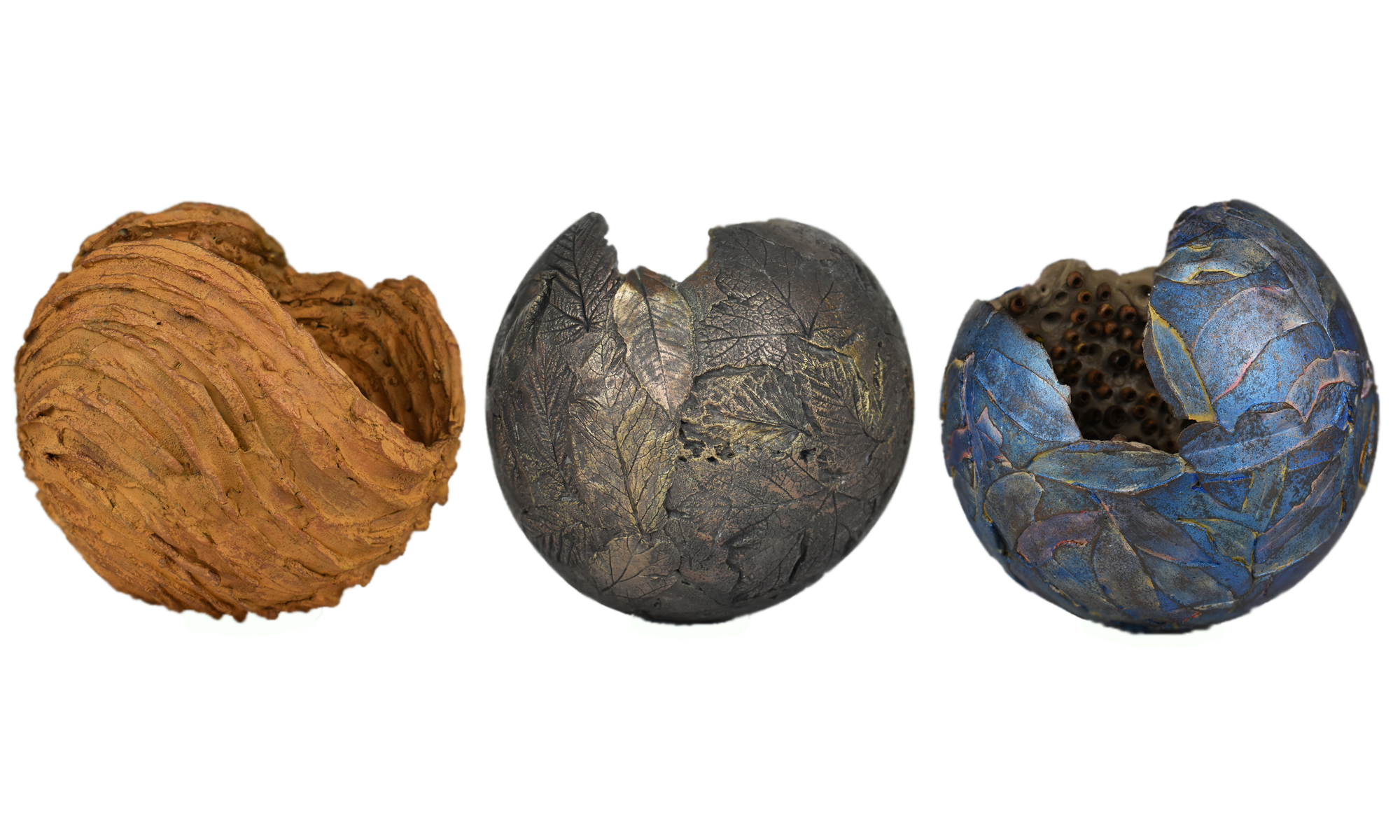
- Remarkable artistry unlocks the potential of spinking to elevate textile design projects
- Understanding the Mechanics of Spinking
- Variations in Spinking Techniques
- The Role of Spinking in Contemporary Fashion
- Spinking in Accessories and Home Textiles
- Exploring the Technical Challenges of Spinking
- Addressing Durability and Maintenance
- Future Directions in Spinking Design
- Exploring Spinking Applications in Artistic Installations
Remarkable artistry unlocks the potential of spinking to elevate textile design projects
The world of textile design is constantly evolving, driven by innovation and a desire for unique aesthetics. Among the many techniques employed to achieve distinctive textures and patterns, spinking stands out as a particularly intriguing and versatile method. This process, often considered a subset of fiber manipulation, involves strategically twisting and intertwining fibers to create three-dimensional effects, lending depth and visual interest to fabrics. It’s a technique that bridges the gap between traditional craftsmanship and modern design principles.
While often subtle, the impact of spinking on a textile’s appearance can be dramatic. It allows designers to move beyond flat surfaces and introduce tactile qualities that engage the viewer on a sensory level. From creating delicate, ethereal sheers to bold, textured weaves, the possibilities offered by spinking are vast. It’s increasingly popular amongst designers seeking to add a handcrafted nuance to commercially produced textiles, offering a counterpoint to the increasingly automated processes dominant in the industry. The technique’s adaptability also means it can be applied to a wide range of materials, including natural fibers like cotton and silk, as well as synthetics.
Understanding the Mechanics of Spinking
At its core, spinking relies on the manipulation of individual fibers during the weaving or knitting process. Unlike techniques that focus on the surface embellishment of a finished fabric, spinking is integrated into the structural formation of the textile itself. This foundational element is crucial to understand, as it determines the longevity and inherent quality of the spinking effect. Different methods of achieving spinking exist, each imparting a unique character to the finished product. Some techniques employ specialized machinery, while others rely on skilled hand manipulation, allowing for a greater degree of control and artistic expression. The precise method used significantly influences the scale and complexity of the spinking detail.
The effectiveness of spinking also depends heavily on the properties of the fibers being used. Fibers with a natural crimp or texture, such as wool or linen, tend to respond particularly well to spinking, as they readily hold the twisted shape. Conversely, smoother fibers, like certain synthetic materials, may require additional treatments or techniques to achieve a similar effect. Careful consideration of fiber selection is paramount to achieving the desired aesthetic. Further, the tension applied during the spinking process is a critical factor; too little tension results in a weak, ill-defined effect, while excessive tension can compromise the structural integrity of the fabric.
Variations in Spinking Techniques
The diversity of spinking techniques is quite remarkable. One common method involves utilizing a modified loom attachment that introduces a deliberate twist to the weft yarns as they are interlaced with the warp. This creates a subtly textured surface with a delicate, rippled appearance. Another technique involves manually twisting individual fibers as they are being knitted, resulting in a more pronounced and irregular effect. Beyond these core methods, designers are constantly innovating, combining spinking with other textile manipulation techniques like pleating, ruching, and embroidery to create truly unique and complex designs.
A relatively recent innovation in spinking involves digital control systems. These systems utilize computer-aided designs and automated machinery to precisely control the twisting and manipulation of fibers, enabling the creation of intricate and repeatable patterns which would be impossible to achieve manually. This opens up new avenues for designers, allowing for greater complexity and scalability in their work, whilst maintaining adaptability. These advances ensure that spinking will remain a relevant and vibrant technique in the ever-evolving world of textile design.
| Spinking Technique | Fiber Suitability | Typical Aesthetic | Equipment Required |
|---|---|---|---|
| Modified Loom Spinking | Cotton, Linen, Silk | Subtle Ripples, Delicate Texture | Modified Loom Attachment |
| Manual Knitting Spinking | Wool, Alpaca, Acrylic | Pronounced Twists, Irregular Texture | Knitting Needles, Skilled Handwork |
| Digital Spinking Control | Wide Range of Fibers | Intricate Patterns, Repeatable Designs | Computer-Aided Design Software, Automated Machinery |
The choice of technique ultimately depends on the desired aesthetic, the properties of the fibers being used, and the scale of production. Each approach presents unique challenges and opportunities for creative expression.
The Role of Spinking in Contemporary Fashion
In the realm of contemporary fashion, spinking is experiencing a resurgence in popularity. Designers are increasingly drawn to its ability to add texture, dimension, and a handcrafted feel to garments and accessories. Beyond purely aesthetic considerations, spinking also offers functional advantages, such as improved drape, increased fabric stability, and enhanced insulation. Its application is visible in everything from high-end couture collections to ready-to-wear pieces, demonstrating its broad appeal. The technique’s versatility allows it to be seamlessly integrated into a variety of design aesthetics, from minimalist and understated to bold and avant-garde.
The current trend towards sustainable and ethical fashion practices is also contributing to the renewed interest in spinking. As consumers become more conscious of the environmental and social impact of their clothing, there is a growing demand for textiles that are produced using traditional, low-impact methods. Spinking, particularly when performed by hand, aligns with these values, offering a more sustainable alternative to mass-produced fabrics. Furthermore, the technique’s ability to add value to otherwise simple or recycled materials makes it an attractive option for designers seeking to minimize waste.
Spinking in Accessories and Home Textiles
The influence of spinking extends beyond clothing to accessories and home textiles. In accessories, spinking can be used to create unique textures in scarves, shawls, and handbags, adding a touch of sophistication and individuality. Similarly, in home textiles, spinking can transform simple fabrics into luxurious and inviting pieces for upholstery, curtains, and bedding. The ability to create tactile surfaces that invite touch makes spinking particularly well-suited for these applications.
The subtle visual interest produced by skilled spinking techniques greatly enhances the aesthetic qualities of interior spaces. The gentle play of light and shadow on the textured surface adds depth and complexity, creating a more inviting and comfortable atmosphere. The technique’s versatility allows it to be tailored to a wide range of interior design styles, from traditional and eclectic to modern and minimalist, allowing for its widespread application and adaptation.
- Adds textural complexity to fabrics.
- Enhances fabric drape and stability.
- Supports sustainable and ethical production.
- Offers a handcrafted aesthetic.
- Provides versatility in design application.
These qualities continue to drive its integration into various facets of the textile industry.
Exploring the Technical Challenges of Spinking
Despite its aesthetic appeal, spinking presents several technical challenges for textile designers and manufacturers. Maintaining consistent tension throughout the spinking process is crucial to achieving a uniform and high-quality result. Variations in tension can lead to uneven textures, distorted patterns, and ultimately, a compromised final product. Another challenge lies in ensuring the durability of the spinking effect, particularly in fabrics that are subjected to frequent wear and washing. The twisted fibers can be prone to unraveling or losing their shape over time, necessitating careful fiber selection and reinforcement techniques.
Scaling up spinking production can also be difficult, particularly when relying on manual techniques. Skilled artisans are required to consistently execute the twisting and manipulation of fibers with precision and finesse, which can be time-consuming and expensive. Automated spinking systems offer a potential solution to this challenge, but they often lack the nuance and subtlety of hand-crafted techniques. Striking a balance between scalability and craftsmanship remains a key consideration for manufacturers looking to incorporate spinking into their production processes. Maintaining a delicate balance between technological advancement and artisanal skill sets is essential.
Addressing Durability and Maintenance
To enhance the durability of spinking, several strategies can be employed. Pre-treating the fibers with a stabilizing agent can help to lock the twisted shape in place, preventing unraveling and maintaining the texture. Employing tighter weaves or knits can also provide additional support and reinforcement. Furthermore, educating consumers about proper care and maintenance practices is essential. Gentle washing cycles, low heat drying, and avoiding harsh chemicals can all help to preserve the integrity of the spinking effect over time.
Recent innovations in fiber technology are also contributing to improved durability. The development of new synthetic fibers with enhanced strength and resilience is opening up new possibilities for spinking applications. These fibers can withstand greater levels of manipulation and maintain their shape even after repeated washing and wear. Continued research and development in this area promise to further overcome the technical challenges associated with spinking, making it an even more viable and versatile technique for textile design.
- Maintain consistent tension during the process.
- Select durable and stable fibers.
- Employ fiber stabilizing agents.
- Utilize tighter weaves or knits.
- Educate consumers on proper care.
These steps are essential for longevity of the spinking effect.
Future Directions in Spinking Design
The future of spinking design is brimming with potential. Emerging technologies, such as 3D weaving and digitally controlled fiber manipulation, are poised to revolutionize the way we create textured textiles. These advancements will enable designers to explore complex geometries and intricate patterns that were previously unattainable. Furthermore, the integration of spinking with smart textiles, which incorporate electronic components into the fabric, could lead to the development of interactive and responsive garments that adapt to the wearer’s needs and environment.
Beyond the technical realm, there is a growing movement towards biomimicry in textile design, drawing inspiration from the natural world to create sustainable and functional materials. Spinking techniques could be adapted to replicate the complex textures and structures found in nature, such as the intricate patterns on insect wings or the surface of plant leaves. As designers continue to push the boundaries of creativity and innovation, spinking is set to remain a vital and evolving technique.
Exploring Spinking Applications in Artistic Installations
Beyond its use in commercial textiles and fashion, the technique of spinking is increasingly captivating artists and designers working on large-scale installations. The ability to create dramatic three-dimensional textures from fabric makes spinking ideal for constructing immersive environments and sculptural forms. Recent exhibitions have showcased impressive installations utilizing spinking to evoke natural landscapes, create abstract optical illusions, and explore themes of movement and transformation. These artistic applications often push the boundaries of the technique, utilizing unconventional materials and experimenting with unconventional forms.
One particularly innovative approach involves combining spinking with projection mapping, creating dynamic and interactive installations that respond to the presence and movement of viewers. The textured surfaces created by spinking provide a unique canvas for projected light and imagery, enhancing the sense of depth and immersion. This intersection of textile art and digital technology offers exciting possibilities for future artistic explorations. Furthermore, spinking has the potential to play a role in the development of sustainable art practices, utilizing recycled and repurposed materials to create impactful and thought-provoking installations.