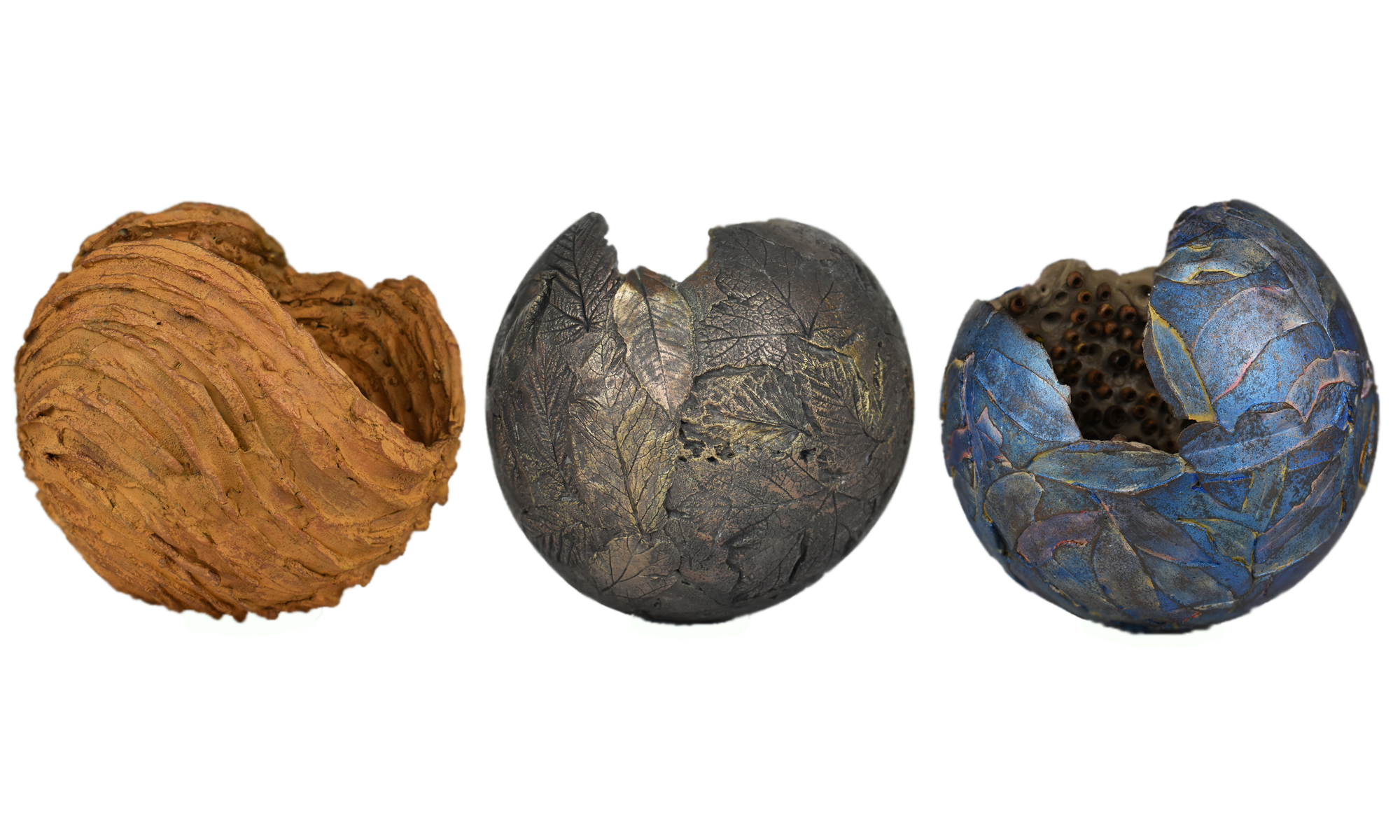
- Serene moments and the lucky wave bring unexpected joy to seaside escapes
- The Science Behind Seashell Serendipity
- The Role of Tides and Currents
- Coastal Sunsets: Painting the Sky
- The Impact of Atmospheric Conditions
- The Rhythmic Embrace of Ocean Waves
- Wave Formation and Energy
- Unexpected Discoveries Along the Shoreline
- The Lingering Effect of Coastal Peace
Serene moments and the lucky wave bring unexpected joy to seaside escapes
The ocean holds a certain magic, a pull on our spirits that speaks of freedom and tranquility. For many, a trip to the coast isn't just a vacation, it’s a restorative experience. It’s the sound of the crashing waves, the feel of sand between your toes, and the vastness of the horizon that combine to create a sense of peace. Sometimes, amidst the everyday rhythm of tides and currents, a lucky wave appears – a moment of unexpected beauty or serendipity that elevates the entire experience, imprinting a lasting sense of joy and wonder on your memory.
These moments aren’t necessarily grand or dramatic; they are often subtle, quiet, and deeply personal. It might be the perfect shell discovered hidden in the sand, a breathtaking sunset painting the sky in vibrant hues, or simply the feeling of weightlessness as you’re gently lifted by a rolling swell. The essence lies in the unexpectedness, the feeling of being in the right place at the right time to witness something truly special. These coastal experiences represent a pause, a breath, a reminder of the simple pleasures in life.
The Science Behind Seashell Serendipity
The search for seashells is a timeless coastal activity, enjoyed by people of all ages. It's more than just a collection hobby; it’s a connection to marine life and the geological processes that shape our shorelines. The types of shells found vary dramatically depending on the location, the tide, and even the weather conditions. The thrill of discovering a particularly beautiful or rare specimen feels akin to finding a hidden treasure, and that rush of dopamine contributes to the overall feeling of wellbeing associated with a day at the beach. Understanding the lifecycle of the creatures that create these shells – from tiny marine snails to larger bivalves – adds another layer of appreciation to the experience. Many people actively seek out specific types of shells, like conchs or sand dollars, turning the search into a focused and rewarding pursuit.
The Role of Tides and Currents
Tides and currents play a vital role in distributing shells along the coastline. High tides often bring in a fresh supply of shells, while strong currents can polish and smooth them, creating naturally beautiful objects. The ebb and flow of the ocean also reveals hidden pockets and coves where shells accumulate, making them prime locations for beachcombing. Learning to read the patterns of the tide is essential for maximizing your chances of finding unique specimens. Understanding how currents work can help predict where shells might wash ashore after a storm and is often a skill passed down through generations of coastal communities. The consistent movement ensures a constant turnover, providing endless possibilities for discovery.
| Shell Type | Typical Location | Rarity | Interesting Fact |
|---|---|---|---|
| Common Whelk | Atlantic Coast, North Sea | Common | Used by Native Americans for tools and adornment. |
| Sand Dollar | Gulf Coast, Pacific Coast | Uncommon | Their spines are used for locomotion and feeding. |
| Junonia | Florida Keys, Caribbean | Rare | Highly prized by collectors, known for its intricate pattern. |
| Moon Snail | Eastern Coast of North America | Common | Predators that drill holes in other shells to eat the inhabitant. |
The enduring appeal of seashell collecting speaks to our innate desire to connect with nature and treasure its beauty. It’s a tangible reminder of the ocean’s power and the delicate ecosystems it harbors.
Coastal Sunsets: Painting the Sky
Few sights rival the splendor of a sunset over the ocean. The way the sun’s rays interact with the water and the atmosphere creates a breathtaking display of color, shifting through shades of orange, pink, purple, and red. These moments are particularly poignant because of their fleeting nature; each sunset is unique and never exactly replicated. The science behind these vibrant displays is fascinating, involving the scattering of sunlight by particles in the air. A clear, unpolluted atmosphere yields the most dramatic sunsets, allowing for a wider range of colors to be visible. Many cultures have associated sunsets with themes of closure, reflection, and new beginnings making them a time for contemplation.
The Impact of Atmospheric Conditions
The intensity and hue of a coastal sunset are heavily influenced by atmospheric conditions. The presence of dust, pollution, or moisture in the air can all affect the way light is scattered, resulting in different color palettes. High cirrus clouds, for example, often create a feathery, ethereal effect, while low-lying clouds can reflect the sun's rays, intensifying the colors. Even the angle of the sun relative to the horizon plays a role, with lower angles producing more dramatic displays. Observing the clouds throughout the day can provide clues about the potential for a spectacular sunset, making it a pursuit for photographers and nature enthusiasts alike. Coastal air quality is therefore a key determinant.
- A clear sky allows for vibrant reds and oranges.
- High clouds create a soft, diffused glow.
- Moisture in the air enhances the scattering of light.
- Pollution can mute the colors and create a hazy effect.
Whether you're watching alone or with loved ones, a coastal sunset is a powerful reminder of the beauty and wonder of the natural world. It’s a moment to pause, appreciate the present, and feel grateful for the simple joys of life.
The Rhythmic Embrace of Ocean Waves
The sound of ocean waves is often described as therapeutic, capable of soothing the mind and relieving stress. The consistent, rhythmic crashing of waves creates a natural white noise that can mask distracting sounds and promote relaxation. This effect has been studied scientifically, with research showing that exposure to natural sounds can lower cortisol levels (the stress hormone) and improve mood. Being near the ocean stimulates the parasympathetic nervous system, responsible for rest and digest functions, promoting a sense of calm. The vastness of the ocean also has a humbling effect, putting our everyday worries into perspective. This sense of perspective often contributes to a feeling of mental clarity allowing us to re-evaluate our priorities.
Wave Formation and Energy
Waves are created by wind blowing across the surface of the water, transferring energy into the ocean. The size and shape of a wave are influenced by several factors, including wind speed, wind duration, and fetch (the distance over which the wind blows). As waves travel, they can undergo changes, such as refraction and diffraction, as they interact with the shoreline. Understanding these processes helps explain why waves break in different patterns along different coasts. The energy released when waves break is substantial and contributes to the dynamic nature of the coastline, shaping the landscape over time. This continual reshaping provides a constant visual reminder of nature's power.
- Wind speed directly affects wave height.
- Fetch influences the energy of the waves.
- Refraction bends waves around obstacles.
- Diffraction spreads waves through openings.
The meditative quality of watching and listening to ocean waves is a testament to our deep connection with the natural world. It’s a reminder that even in the midst of chaos, there is always a sense of constancy and peace to be found in the rhythm of the sea.
Unexpected Discoveries Along the Shoreline
The coastline is a place of constant change and surprise. Beyond seashells and sunsets, there's a potential for unexpected discoveries that add to the magic of a seaside escape. These could range from unusual marine life washed ashore to intriguing pieces of driftwood sculpted by the waves. Perhaps you'll stumble upon a hidden tide pool teeming with life, or find a perfectly preserved sandcastle built by a previous visitor. These moments of serendipity are what make each beach experience unique and memorable. The element of surprise encourages a sense of childlike wonder, prompting us to explore and appreciate the details of our surroundings. It’s an invitation to slow down, be present, and open ourselves to the unexpected.
The joy of these discoveries isn’t necessarily about the item itself, but rather the feeling of connection and the spark of curiosity it ignites. It’s a reminder that the ocean is a vast and mysterious realm, full of hidden treasures just waiting to be found. It's also a testament to the power of nature to inspire and delight us with its beauty and unpredictability.
The Lingering Effect of Coastal Peace
The benefits of a seaside escape extend far beyond the immediate experience. The sense of calm and rejuvenation fostered by the ocean can linger long after you've returned home. The memories of a lucky wave, a stunning sunset, or a peaceful walk along the beach can serve as a source of comfort and inspiration during challenging times. Studies have shown that exposure to blue spaces, like the ocean, can have a positive impact on mental and physical health, reducing stress, improving sleep, and boosting creativity. This enduring effect highlights the deeper connection we have with the natural world.
Perhaps the most powerful takeaway from a coastal experience is a renewed sense of perspective. The vastness of the ocean reminds us of our place in the larger scheme of things, encouraging us to let go of trivial worries and focus on what truly matters. It’s a reminder to embrace the present moment, to appreciate the simple pleasures, and to find joy in the beauty that surrounds us. The mindful state achieved along the shoreline allows for a better emotional regulation back in daily life.