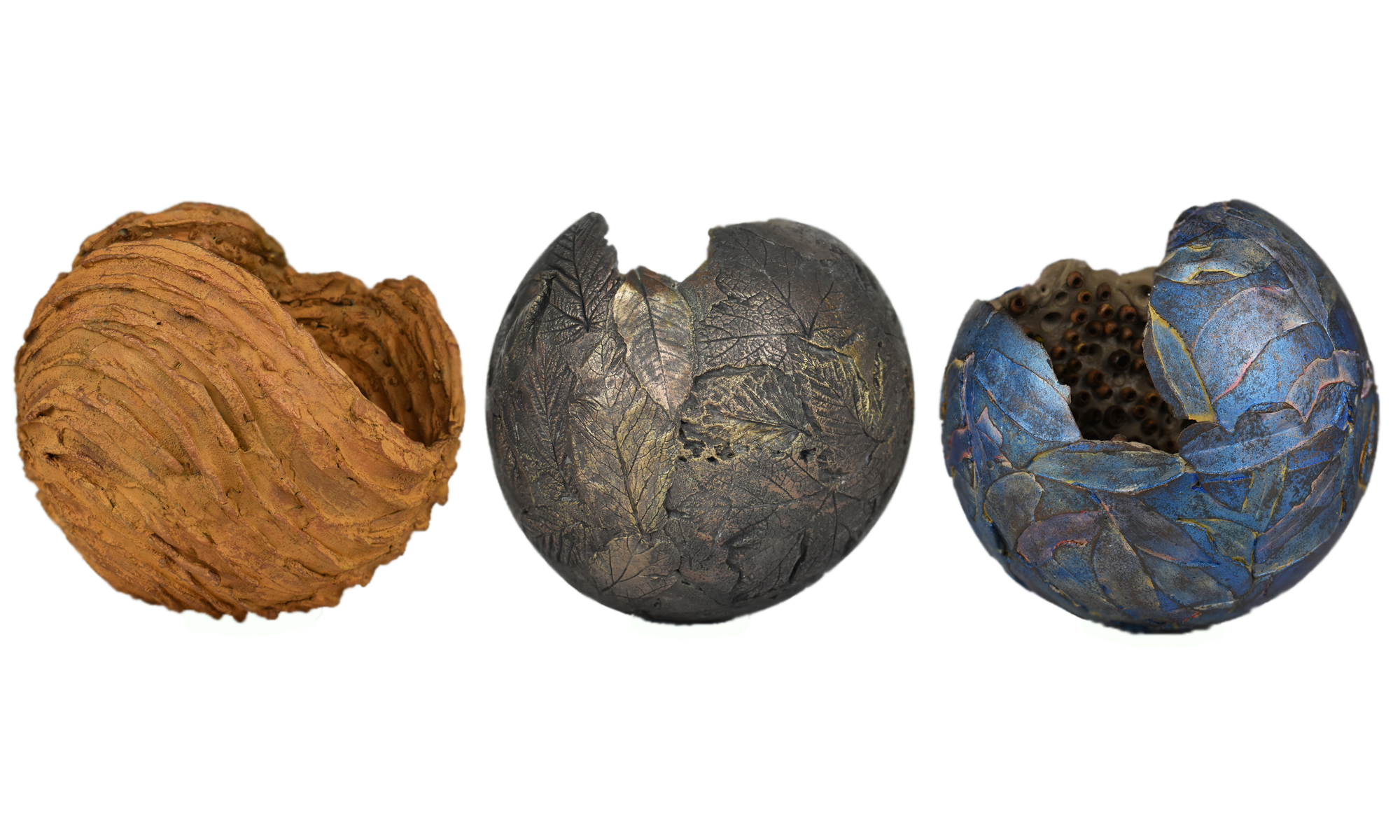
- Distinct patterns and captivating details surround spingranny in modern textile design practices
- The Historical Roots and Evolution of Textured Textile Techniques
- Exploring Early Methods of Fabric Texture
- The Core Principles Behind Spingranny Technique
- Material Selection and its Impact on Texture
- Spingranny Applications in Contemporary Design
- Innovation in Surface Design Using Spingranny-Inspired Techniques
- The Sustainable Aspects of Spingranny and Similar Techniques
- Expanding the Boundaries: Future Directions for Textured Textile Design
Distinct patterns and captivating details surround spingranny in modern textile design practices
The term “spingranny” is increasingly encountered within discussions surrounding innovative textile design, particularly in the realm of artisanal and handcrafted fabrics. It represents a unique approach to fiber manipulation and texture creation, moving beyond traditional weaving and knitting techniques. This method often involves complex layering, deliberate imperfections, and an emphasis on the inherent properties of the materials used, resulting in textiles that are both visually striking and exceptionally tactile. Its appeal lies in its ability to evoke a sense of nostalgic comfort alongside a distinctly modern aesthetic.
Contemporary textile artists are continually seeking ways to imbue their creations with depth and character, and spingranny offers a fertile ground for experimentation. The process isn't solely about the finished product, but also the exploration of the material itself—the way it responds to different manipulations, the subtle variations in texture, and the potential for unexpected outcomes. This hands-on, intuitive approach allows for a level of creative control that's difficult to achieve with automated manufacturing processes, making spingranny particularly attractive to designers who value individuality and authenticity.
The Historical Roots and Evolution of Textured Textile Techniques
While the precise origin of the name “spingranny” is relatively recent, the underlying principles – manipulating fibers to create textured surfaces – are deeply rooted in centuries of textile history. Throughout history, artisans have developed various techniques to add depth and interest to fabrics, from the intricate embroidery of the medieval period to the looped surfaces of crewel embroidery. Early examples can be found in archaeological digs showcasing ancient weaving methods that incorporated deliberately uneven threads and textured patterns. The desire to move beyond purely functional textiles and create pieces that are aesthetically pleasing and emotionally resonant has always been a driving force in textile innovation. These historical precedents provide a rich context for understanding the emergence and appeal of techniques like spingranny.
Exploring Early Methods of Fabric Texture
Before the advent of industrial machinery, textile production was a labor-intensive process, requiring skilled artisans to meticulously manipulate fibers. Techniques like pile weaving, where additional threads are inserted to create a raised surface, were common and allowed for a range of textural effects. Similarly, techniques that involved knotting or looping the yarn, such as certain forms of tapestry weaving, contributed to the diversity of textile textures. These historical methods demonstrate a deep understanding of material properties and an innate ability to exploit them to create visually compelling results. The knowledge passed down through generations of craftspeople forms the bedrock of many contemporary textile techniques, including those falling under the broader umbrella related to spingranny’s approach.
| Technique | Historical Period | Description |
|---|---|---|
| Pile Weaving | Ancient Egypt – Present | Creating a raised surface by inserting extra threads. |
| Crewel Embroidery | Medieval – Victorian Era | Using wool yarn to create textured patterns on linen or cotton. |
| Tapestry Weaving | Ancient – Present | Weaving colored threads to create pictorial or decorative designs. |
| Knitting and Crochet | 16th Century – Present | Interlocking loops of yarn to create fabric. |
The modern resurgence of interest in traditional techniques, combined with a desire for sustainable and ethically produced materials, has fueled the growth of techniques akin to spingranny. Designers are drawn to the imperfections and unique character that result from handcrafting, contrasting sharply with the uniformity of mass-produced textiles.
The Core Principles Behind Spingranny Technique
At its heart, spingranny centers around the intentional manipulation of fiber to achieve a specific textural quality. This often involves a combination of techniques, including twisting, looping, knotting, and layering fibers to create depth and dimension. Unlike highly structured weaving or knitting, spingranny embraces irregularities and asymmetry, allowing the materials themselves to dictate the final form. The choice of materials plays a crucial role, with natural fibers like wool, cotton, and linen often favored for their tactile qualities and inherent texture. The process is highly intuitive, encouraging experimentation and a willingness to embrace unexpected results. Designers utilising this aesthetic focus on the interplay of light and shadow across the textured surface, enhancing the visual impact of the textile.
Material Selection and its Impact on Texture
The success of spingranny relies heavily on the careful selection of materials. The weight, drape, and inherent texture of the fibers all contribute to the finished result. For instance, using a coarser wool yarn will create a more rugged, substantial texture, while a finer cotton yarn will produce a softer, more delicate effect. Experimenting with different fiber blends can also yield interesting and unexpected results. Beyond the type of fiber, the processing of the fibers—whether it’s hand-spun, commercially produced, or recycled—also contributes to the overall aesthetic. Sustainably sourced and naturally dyed materials are increasingly popular choices, aligning with a growing demand for eco-conscious design.
- Fiber Blends: Combining different fibers adds complexity and visual interest.
- Yarn Weight: Thicker yarns create bolder textures, while finer yarns offer subtlety.
- Fiber Origin: Natural fibers like wool and cotton offer unique tactile qualities.
- Dyeing Techniques: Natural dyes can enhance the organic aesthetic of spingranny.
The intentional use of variations in material allows for a more compelling and organic aesthetic, moving beyond the limitations of standardized textile production methods. The deliberate imperfections inherent in this approach often add to the overall charm and character of the piece.
Spingranny Applications in Contemporary Design
The versatility of techniques associated with spingranny allows their implementation across a diverse range of design disciplines. Within interior design, these textiles are finding use in upholstery, wall hangings, and decorative cushions, adding a tactile and visually rich element to living spaces. In fashion, the textured surfaces are incorporated into garments, accessories, and statement pieces, offering a unique alternative to conventional fabrics. Beyond these traditional applications, designers are also experimenting with spingranny in sculptural installations and mixed-media artworks, pushing the boundaries of textile design. The ability to create bespoke and highly individual pieces makes this technique particularly attractive to those seeking to express a unique artistic vision.
Innovation in Surface Design Using Spingranny-Inspired Techniques
Designers are not simply replicating traditional methods; they are innovating and adapting them to create entirely new surface designs. Digital technologies, such as computer-aided design (CAD) and laser cutting, are being used to create intricate patterns and precise cuts, which are then manipulated using spingranny-inspired techniques. This fusion of traditional craftsmanship and modern technology allows for a level of complexity and control that was previously unattainable. Furthermore, the exploration of unconventional materials—such as recycled plastics or plant-based fibers—is expanding the possibilities of what can be achieved with these techniques. The result is a new generation of textiles that are both aesthetically innovative and environmentally responsible.
- Upholstery: Adding texture and warmth to furniture.
- Wall Hangings: Creating focal points and adding visual interest.
- Fashion Garments: Designing unique and tactile clothing pieces.
- Sculptural Installations: Exploring the three-dimensional potential of textiles.
The integration of traditional techniques with contemporary design practices represents a significant development in the field of textile art and emphasizes a move towards a more personalized and expressive approach to design.
The Sustainable Aspects of Spingranny and Similar Techniques
In a world increasingly focused on sustainability, the inherent nature of spingranny aligns perfectly with ethical and environmentally conscious design principles. The techniques often utilize readily available and renewable materials, such as wool, cotton, and linen, reducing reliance on synthetic fibers. The emphasis on handcrafting minimizes energy consumption and reduces the carbon footprint associated with mass production. Furthermore, the durability of hand-crafted textiles means they are often more long-lasting than their commercially produced counterparts, reducing the need for frequent replacements. There's a growing awareness among consumers that supports locally produced and ethically sourced goods, further driving the demand for textiles created using these techniques. The shift towards slower, more mindful production practices is a key aspect of this growing trend.
Expanding the Boundaries: Future Directions for Textured Textile Design
The potential for further exploration within the realm of “spingranny” and related techniques is vast. Ongoing research into bio-based materials and innovative fiber treatments promises to unlock new possibilities for texture creation. The integration of smart textiles—fabrics embedded with sensors or interactive elements—could add another dimension to these textured surfaces, enabling them to respond to environmental stimuli or user interactions. Collaboration between textile artists, engineers, and scientists will be crucial in driving these innovations forward. As designers continue to seek ways to create unique and meaningful experiences through textiles, techniques like spingranny will undoubtedly play an increasingly important role in shaping the future of the industry. This could involve combining the artistry with programming to create dynamic fabrics.
Looking ahead, the challenge lies in preserving the traditional skills and knowledge while simultaneously embracing new technologies and materials. Educating the next generation of textile designers about the history and principles of these techniques will be essential in ensuring their continued relevance and vitality. The fusion of artistry, sustainability, and innovation will ultimately define the future of textured textile design, offering a compelling alternative to the homogenizing forces of mass production and promoting a greater appreciation for the beauty and complexity of handcrafted textiles.